


Introduction
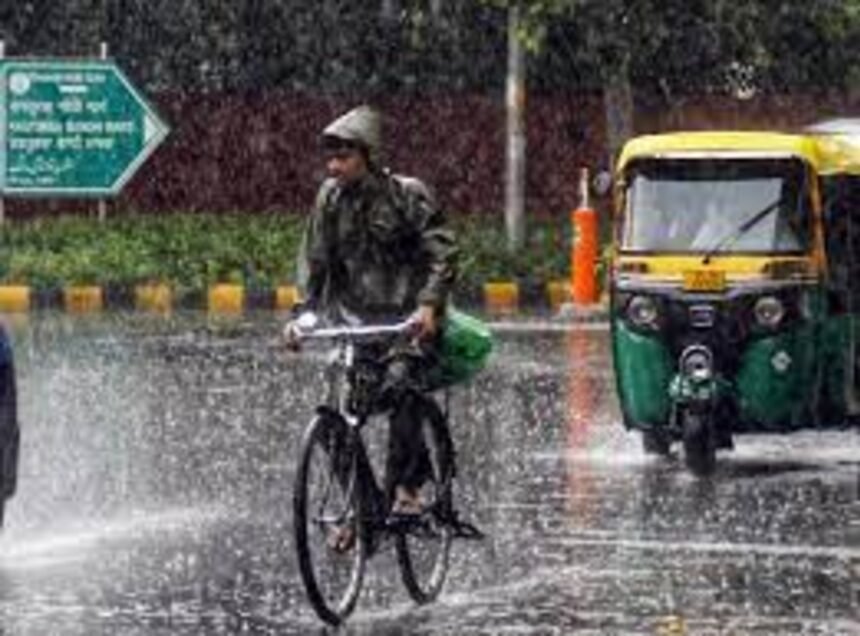
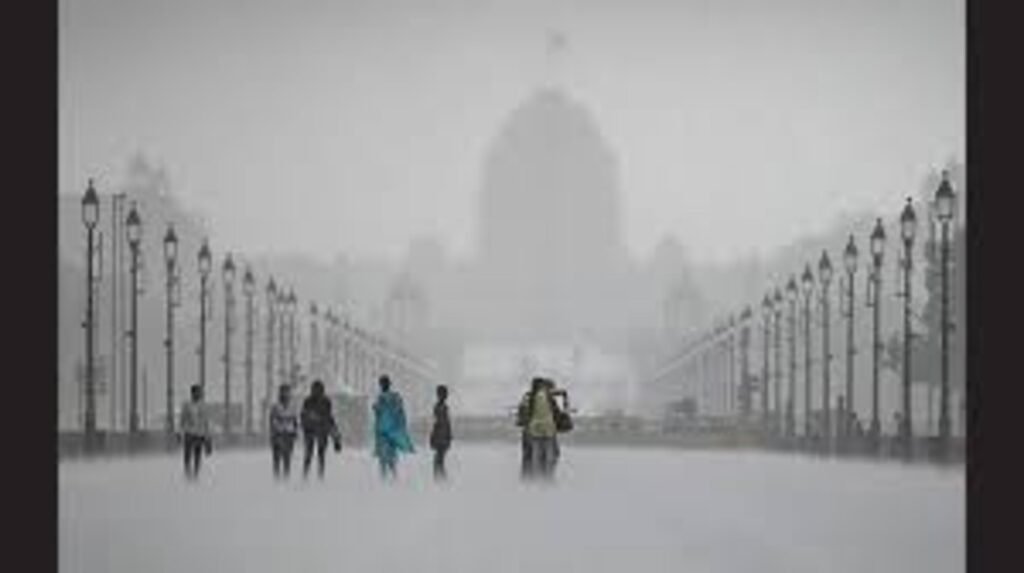
In recent days, several northern states in India have been grappling with severe weather conditions, including heavy rainfall, landslides, and flood-like situations. These weather events have led to loss of life, property damage, and disruptions in transportation networks. Here is a summary of the latest developments:
Uttarakhand Landslide Tragedy:
A devastating landslide occurred in the Gaurikund area of Uttarakhand, burying three shops and claiming the lives of at least seven individuals. The incident took place on August 4, and rescuers have been tirelessly working to find survivors amidst the debris. As of now, 16 people are reported missing, and the search operation is ongoing. The National Disaster Response Force (NDRF), the State Disaster Response Force (SDRF), and the Yatra Management Force are collaborating to expedite the rescue efforts.
Weather Alerts in Uttarakhand and Himachal Pradesh:
The India Meteorological Department (IMD) has issued a “Red” alert for Uttarakhand, forecasting heavy to extremely heavy rainfall on August 13th and 14th. The state has already experienced significant rainfall, leading to landslides and challenging conditions. Similarly, in Himachal Pradesh, an “Orange” alert has been issued for August 12th and 13th, indicating the likelihood of heavy to very heavy rainfall. The region has witnessed torrential downpours, causing flooding and raising concerns about water levels in rivers and rivulets.
Transportation Disruptions:
The severe weather conditions have resulted in transportation disruptions across the affected regions. A portion of the Mandi-Shimla highway in Himachal Pradesh caved in, causing a Himachal Roadways Transport Corporation bus to fall a few feet. Four passengers were injured in the incident. Landslides triggered by intermittent rain have also led to blockages on key national highways, including the Shimla-Kalka and the Manali-Chandigarh routes. In total, 395 roads are currently blocked in Himachal Pradesh due to landslides and adverse weather conditions.
Climate Change and Collaboration:
In the midst of these weather-related challenges, Gopal Rai, Delhi’s Environment Minister, has highlighted the importance of collaboration among states to tackle the impacts of climate change. He emphasised that extreme weather events are not limited to Delhi alone, and developing nations must work together to address the consequences of actions taken by developed countries. Rai stressed the need to integrate environmental protection, climate change mitigation, and air pollution control into national policies to foster sustainable development across the nation.
Rainfall Forecast:
The IMD has predicted scattered rains and thunderstorms across a wide range of states, including Ladakh, Jammu-Kashmir, Uttar Pradesh, Punjab, Haryana, Gangetic-West Bengal, Chhattisgarh, Rajasthan, Gujarat, Odisha, Madhya Pradesh, Maharashtra, Goa, Telangana, Andhra Pradesh, Karnataka, Kerala, Tamil Nadu, Lakshadweep, and Andaman-Nicobar Islands. While some areas may experience relief from the dry spell, the ongoing rains could further exacerbate flooding and landslides in regions already grappling with the aftermath of heavy rainfall.
Conclusion
As India continues to battle these challenging weather conditions, it remains crucial for government agencies, disaster response teams, and citizens to stay vigilant, take necessary precautions, and provide assistance to those affected by the adverse weather events.