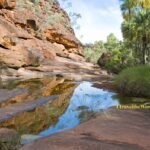


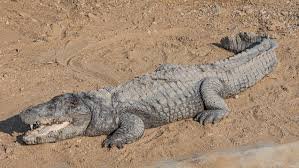
In the heart of Odisha, the Similipal Tiger Reserve recently buzzed with activity, but not for its famous tigers. Instead, forest officials and wildlife experts turned their attention to the rivers. They have just completed the latest crocodile census in Similipal, a vital exercise to track the health and population of the Mugger crocodile (also known as the Marsh crocodile). This census provides a clear picture of how well the ecosystem is supporting these ancient reptiles.
How we count?
Crocodiles sit at the top of the freshwater food chain. When their numbers are stable, it means the river is healthy, the fish population is thriving, and the water is clean. Since the Mugger crocodile is a “Vulnerable” species on the IUCN Red List, the Similipal authorities conduct this survey annually to monitor their survival rates and ensure that human activities are not encroaching on their breeding grounds.
How census is conducted?
Counting crocodiles in a vast, dense forest like Similipal is no easy task. The forest department uses a method called Direct Sight Counting.
- Segmenting the Rivers: Officials divide the major rivers of Similipal, such as the Khairi, Budhabalanga, and Deo, into specific segments.
- Daytime Basking Surveys: During the day, teams walk along the riverbanks or use boats. They look for crocodiles “basking” (sunbathing) on the rocks or sandbanks to regulate their body temperature.
- Nighttime Eye-Shine Surveys: Some teams work at night using powerful spotlights. When the light hits a crocodile’s eyes, they glow like bright red or orange rubies. This allows researchers to count crocodiles that remain hidden in the water during the day.
- Size Classification: Researchers don’t just count the numbers; they categorize them into three groups:
- Hatchlings: Less than 2 feet long.
- Yearlings/Juveniles: 2 to 4 feet long.
- Adults: Over 6 feet long.
Challenges
Despite the stable numbers, life for a Similipal crocodile isn’t easy. The census teams identified several challenges that the forest department must manage:
- Flash Floods: Heavy monsoon rains in the hills can wash away eggs from the sandbanks before they hatch.
- Territorial Fights: Large males are very protective of their space. Sometimes, younger crocodiles are forced out of the safe “core areas” and into regions where they might encounter humans.
- Fishing Nets: Occasionally, crocodiles get tangled in illegal fishing nets placed by people in the buffer zones, which can lead to injury or drowning.