


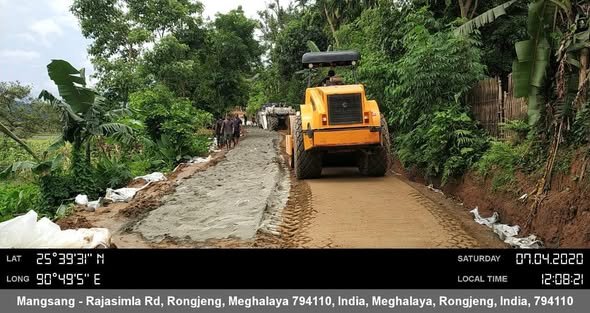
Meghalaya partners with the Centre to develop the Rongjeng–Adokgre Road, boosting rural connectivity, economic growth, and infrastructure in Garo Hills.
The Government of Meghalaya, in active collaboration with the Central Government, has announced the accelerated development of the Rongjeng-Adokgre Road, a project poised to reshape travel, trade, and everyday life in parts of North Garo Hills and beyond.
Centre-State Collaboration: What’s New
Unlike standalone state initiatives of the past, this project has explicit backing from the Central Government, signaling stronger alignment and funding support. While the union-state partnership in Meghalaya isn’t new, this collaboration represents an important shift toward prioritising rural connectivity in hard-to-reach areas.
This joint venture reflects a broader strategy to boost Northeast infrastructure dovetailing with other national plans like PMGSY (Pradhan Mantri Gram Sadak Yojana) and integrated transport missions which aim to link even the most isolated settlements with regional growth corridors.
How India managed to RCEP Minus China’s Strategy
Opening Up Remote Villages
For decades, many habitations in North and East Garo Hills have been connected only by rugged footpaths and unpaved trails.Official records show that nearly half of Meghalaya’s villages still lack all-weather road access, aggravating regional inequality and impeding opportunities for growth.
The Rongjeng-Adokgre Road directly addresses this gap. By upgrading an existing footpath into a fully motorable route, the project will provide consistent, safe access for vehicles year-round, bringing a lifeline to communities that have long waited for tangible development.
Overcoming Challenges in Meghalaya’s Hilly Terrain
Constructing roads in Meghalaya isn’t straightforward. The state’s steep hills, narrow valleys, heavy rainfall, and fragile soils make engineering projects both costly and complex. Traditional road building techniques often fall short, leading to expensive maintenance and frequent landslide risks. However, modern planning, careful environmental assessment, and community participation are now part of the blueprint for sustainable infrastructure.
By engaging local stakeholders early including residents, tribal councils and environmental experts planners hope to balance development needs with ecological protection, a priority in a state that depends on both nature and culture for tourism and livelihood.
A Road Toward Inclusive Progress
The Rongjeng-Adokgre Road symbolizes more than just asphalt and bridges it represents a bridge to opportunity for thousands of Meghalaya residents. Its development signals a renewed focus on rural upliftment, regional integration, and equitable growth. If executed thoughtfully, with environmental safeguards and community participation, this road could be the first of many steps toward turning Meghalaya’s connectivity challenges into strengths.
Frequently Asked Questions (FAQs)
Q1. What is the Meghalaya Rongjeng Adokgre Road Project?
The Meghalaya Rongjeng Adokgre Road Project is a major infrastructure initiative aimed at improving road connectivity between Rongjeng and Adokgre in the Garo Hills region. The project focuses on providing all-weather road access to remote villages, enhancing mobility, and supporting economic growth.
Q2. Why is the Rongjeng Adokgre Road important for Meghalaya?
This road is crucial because it connects rural and hilly areas that previously depended on footpaths or seasonal routes. Improved connectivity will help residents access healthcare, education, markets, and government services more easily, especially during monsoon months.
Q3. Which areas will benefit from the Rongjeng Adokgre Road Project?
The project will primarily benefit villages in North Garo Hills and nearby regions. It will also improve inter-district connectivity and strengthen links between rural Meghalaya and major trade and service hubs.
Q4. Is the Central Government involved in the Meghalaya road project?
Yes, the project is being developed through close coordination between the Meghalaya Government and the Central Government. This collaboration ensures better funding support, technical expertise, and faster implementation.
Q5. How will the road project impact local livelihoods?
The new road is expected to reduce transportation costs for farmers and traders, improve access to markets, encourage small businesses, and generate employment during and after construction. Overall, it will help strengthen the rural economy.