


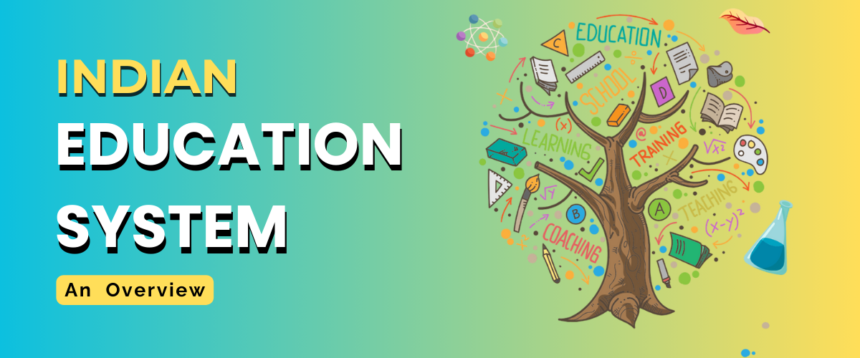
India’s education system is undergoing rapid changes, fueled by the integration of technology and global trends. By 2026, the landscape is expected to be more inclusive, digital, and aligned with international standards.
How Shifts in Global Oil Markets Are Reshaping Buyer Strategies in 2026
The Current State of India’s Education System
India’s education system is one of the largest in the world, with over 300 million students. However, disparities in access, quality, and infrastructure remain major hurdles. According to the National Sample Survey (NSS), many rural students still lack access to basic educational resources.
Technological Advancements Shaping Education
Technology is playing a transformative role in India’s education sector. With initiatives like DIKSHA and SWAYAM, the government is facilitating digital learning for millions. Virtual classrooms and AI-powered learning tools are also being used to enhance student engagement and learning outcomes.
Challenges: Inequality, Infrastructure, and Quality
Despite progress, challenges remain. Rural-urban divides in terms of access to quality education, a shortage of skilled teachers, and inadequate infrastructure still hinder the system’s development.
The Road Ahead: A Vision for 2026
By 2026, the government plans to make India’s education system more inclusive and technologically advanced. The National Education Policy 2020 lays out a framework for holistic education, focusing on skill development, critical thinking, and digital literacy.