

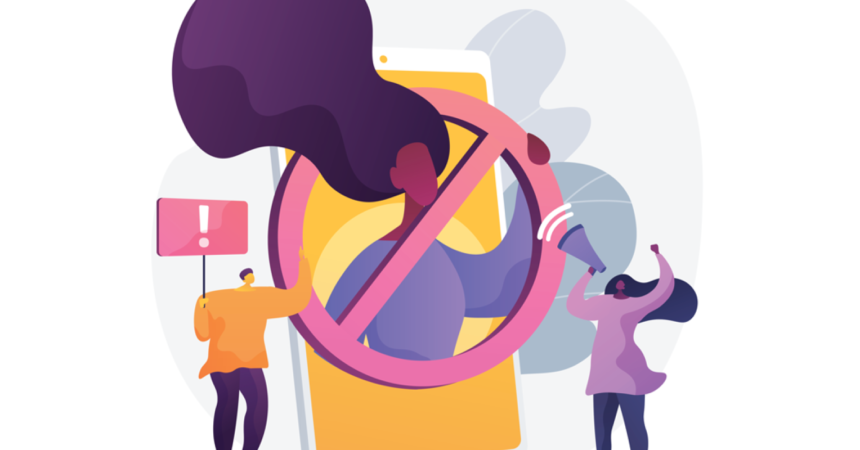
The Rise of Cancel Culture in the Digital AgeIn the age of social media, a single tweet, video, or comment can change a person’s life overnight. Public figures, brands, and even ordinary individuals increasingly face intense online backlash for their words or actions. This phenomenon, commonly referred to as cancel culture, has sparked a global debate: is it a tool for accountability, or has it turned into a digital mob driven by outrage rather than justice?
India’s Education System: Future Trends and Challenges
Cancel Culture as a Tool for Accountability
Cancel culture emerged from the idea that people in positions of power should be held responsible for harmful behavior. Historically, many cases of abuse, discrimination, or exploitation were ignored due to social privilege or institutional protection. Social media gave marginalized voices a platform to call out wrongdoing and demand consequences.
Movements like #MeToo are often cited as examples where public pressure helped expose misconduct that traditional systems failed to address. In such cases, cancel culture acted as a corrective force, pushing society toward greater awareness and responsibility.
When Accountability Turns Into Online Outrage
The problem begins when accountability transforms into instant condemnation. Online outrage often leaves little room for context, explanation, or personal growth. Once a narrative is formed, facts tend to take a backseat, and the “court of public opinion” delivers rapid judgments without investigation or due process.
Real-Life Examples of Cancel Culture in Action
A notable global example is comedian Kevin Hart, who stepped down as the Oscars host in 2018 after old homophobic tweets resurfaced. Despite apologizing years earlier and acknowledging personal growth, the backlash was swift and unforgiving. Many argued this reflected cancel culture’s inability to accept change.
In India, actor Alia Bhatt faced intense trolling after an old interview clip was taken out of context. Calls to “cancel” her spread rapidly, accompanied by personal attacks. While public criticism is valid, the scale of online harassment highlighted how cancel culture can quickly spiral into mob behavior.
The Selective and Inconsistent Nature of Cancellation
One of the biggest criticisms of cancel culture is its inconsistency. Consequences often depend on public popularity rather than the severity of the offense. Some individuals face career-ending backlash for a single mistake, while others continue unaffected despite repeated allegations. This selective outrage weakens the credibility of cancel culture.Impact on Free Speech and Open Dialogue
Cancel culture also creates a chilling effect on free expression. Fear of being “cancelled” discourages people from expressing nuanced opinions or engaging in honest discussions. When society becomes afraid of making mistakes, it risks losing meaningful conversations and intellectual diversity.
Finding a Balance Between Justice and Growth
Dismissing cancel culture entirely would be misguided, as public accountability has led to positive social change. However, accountability should involve dialogue, learning, and proportionate consequences not permanent public shaming.
Accountability Without the Mob Mentality
Cancel culture reflects society’s increasing intolerance for harmful behavior, but also its impatience with complexity and redemption. The real challenge is shifting from a culture of cancellation to a culture of responsibility one that allows people to be held accountable while also leaving room for growth and change.
In a fast-paced digital world, thoughtful engagement must replace mob mentality if accountability is to serve justice rather than become another form of online punishment.