


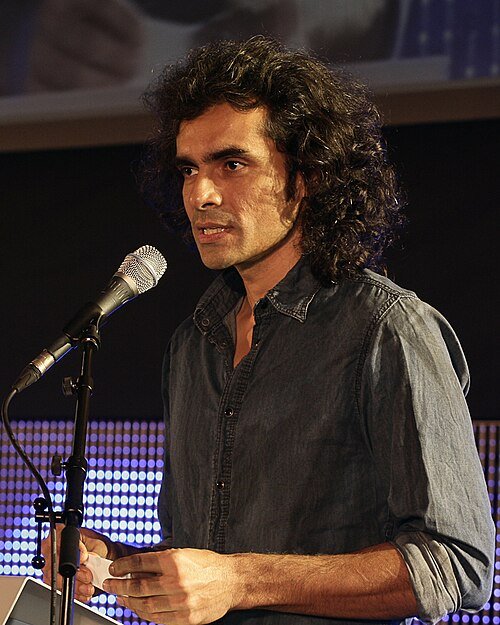
In the ever-evolving landscape of Indian cinema, few creative partnerships are as sacred as the one between filmmaker Imtiaz Ali and music maestro A.R. Rahman. As we move into 2026, this bond has faced its toughest test yet. Amidst a whirlwind of “communal” remark controversies and social media backlash, Imtiaz Ali has stepped forward not just as a collaborator, but as a steadfast shield for Rahman.
The Spark of Controversy
The tension began in early January 2026, following Rahman’s interview with the BBC Asian Network. When asked about his declining volume of work in Bollywood, the Oscar-winning composer suggested that a “power shift” in the industry over the last eight years might have introduced a “communal thing” behind the scenes. He also critiqued the film Chhaava for what he perceived as cashing in on divisiveness.
The reaction was swift and polarizing. Critics labeled his comments “prejudiced,” while online campaigns called for his removal from high-profile projects like Nitesh Tiwari’s Ramayana. Despite Rahman issuing a clarification video reaffirming his love for India as his “teacher and home” the fire continued to simmer.
Imtiaz Ali Steps Into the Fray
While many in the industry remained silent, Imtiaz Ali chose to speak out. Having collaborated on landmark albums like Rockstar, Tamasha, Highway, and the recent Amar Singh Chamkila, Ali possesses a unique vantage point into Rahman’s character.
In a candid interview on January 20, 2026, Ali dismissed the notion of communal bias in the industry. More importantly, he defended Rahman’s integrity:
- The “Misconstrued” Defense: Ali argued that Rahman’s words were likely take out of context or “misconstrue” those looking for a scandal.
- The Industry Reality: He asserted that in his decades-long career, he has never witnessed communal animosity within the film fraternity.
- The Character Witness: Ali described Rahman as “one of the brightest figures” he has ever met, emphasizing that the composer’s nature roots in peace and creativity rather than friction.
The Bigger Picture: Art Over Politics
Imtiaz Ali’s support highlights a growing divide in Bollywood. On one side are the “non-creative” power structures Rahman allud to; on the other are the artists who believe that creativity should remain untainted by political or communal lenses.
Ali’s defense suggests that the bond between a director and a composer is built on years of “silent communication” and mutual respect. By standing with Rahman, Ali sends a clear message to the industry: an artist’s decades of contribution to national pride from “Maa Tujhe Salaam” to global Oscar glory should not be discarded due to a misunderstood personal observation.
As the industry prepares for the release of Ramayana later this year, the Ali-Rahman alliance serves as a reminder that in the world of art, loyalty often outweighs the noise of the moment.