

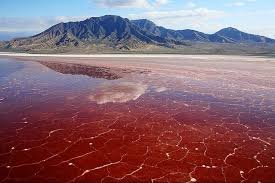
In the shadow of the active volcano Ol Doinyo Lengai in northern Tanzania lies one of the most mysterious bodies of water on Earth: Lake Natron. To the casual observer, the lake looks like a scene from another planet. Its waters often turn a deep, blood-red color, and its shores are encrusted with white salt. While its extreme chemistry can turn animals into “stone,” Lake Natron serves a vital purpose: it is the primary nursery for nearly all the world’s Lesser Flamingos.
A lake like no other
Lake Natron is a “soda lake.” It sits in an endorheic basin, meaning water flows into it but never flows out. Instead, the scorching African sun evaporates the water, leaving behind high concentrations of salt and a mineral called natron (a mix of sodium carbonate and baking soda).
The lake’s alkalinity is off the charts, with a pH level as high as 10.5 or 12—almost as caustic as household ammonia. The water temperature can also soar to a blistering 60°C (140°C). Most creatures would die instantly if they fell in, but for a few specialized species, this harsh environment is a sanctuary.
Flamingo Nursery
The Lesser Flamingo is the smallest and most numerous species of flamingo, and Lake Natron is its only regular breeding ground in East Africa. Every few years, when the water levels are just right, more than two million flamingos flock to the lake.
Why do they choose such a dangerous place?
- Safety from Predators: The caustic mud and burning water act as a natural moat. Predators like hyenas or jackals cannot walk across the burning, salty crust to reach the nests without severely injuring their paws.
- The Perfect Nest: Flamingos build tall, cone-shaped nests out of the salty mud. These “islands” keep the eggs safe from the rising water and the heat of the ground.
- Abundant Food: The lake is rich in Arthrospira fusiformis, a type of blue-green algae (cyanobacteria). This alga contains carotenoid pigments the very thing that gives flamingos their famous pink feathers.
Ecological Significance
While the flamingos grab the headlines, Lake Natron supports a surprisingly complex ecosystem.
- The Algae Bloom: The red color of the lake comes from salt-loving organisms called haloarchaea. These tiny microbes thrive in high-salt environments. They perform photosynthesis and form the base of the food chain in the lake.
- Alkali Tilapia: Believe it or not, fish live here! The Alcolapia latilabris is a species of tilapia that has evolved to survive in the hot, salty water. They live around the edges of the lake near freshwater springs.
- Carbon Sequestration: Scientists believe that soda lakes like Natron are highly efficient at capturing carbon from the atmosphere. The thick mats of algae and microbes trap carbon, helping to regulate the local climate.
Hrithik Roshan’s Stunt Fails Moments While Shooting Action Scenes