

Germany Signals Urgency in EU-India Trade Negotiations
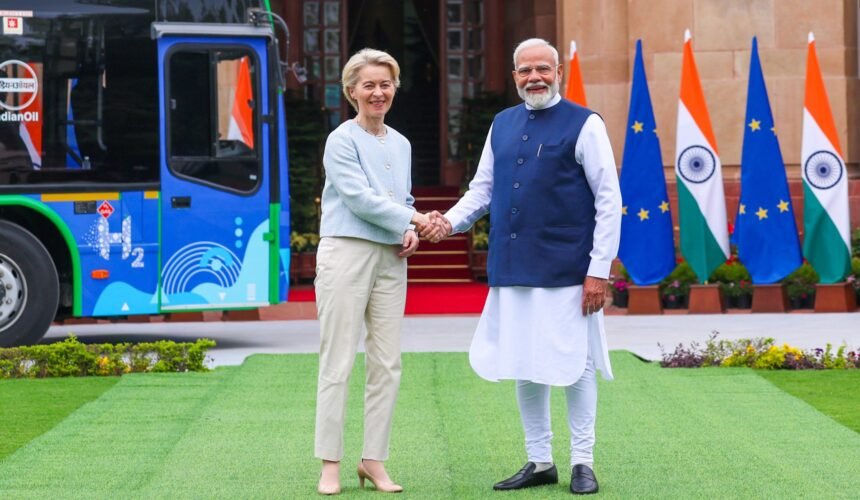
The long-awaited EU-India Free Trade Agreement (FTA) is once again in the global spotlight after Germany’s Chancellor hinted that negotiations could reach a conclusion by the end of this month. This renewed urgency reflects Europe’s growing interest in diversifying trade partnerships amid global economic uncertainty and shifting geopolitical alliances.
Germany, being Europe’s largest economy, plays a crucial role in shaping EU trade policy. Its support has added fresh momentum to talks that have faced repeated delays over regulatory concerns, market access issues, and differences in labor and environmental standards.
Air force chief announced timely delivery of LCA Tejas
Why the EU-India FTA Matters Now More Than Ever
India and the European Union together represent a massive economic opportunity. The EU is India’s largest trading partner, while India remains one of the world’s fastest-growing major economies. A finalized FTA could significantly reduce tariffs, ease market access, and improve cooperation in areas such as digital trade, green energy, pharmaceuticals, and manufacturing.
For the EU, strengthening trade ties with India helps reduce dependency on traditional markets and enhances supply-chain resilience. For India, the deal could open doors to advanced European technology, greater foreign investment, and increased exports to a high-value consumer market.
Key Sectors Expected to Benefit from the Agreement
If finalized, the EU-India FTA is expected to bring wide-ranging benefits across sectors. Indian industries such as textiles, IT services, pharmaceuticals, and engineering goods could gain improved access to European markets. Meanwhile, European companies may find easier entry into India’s automobile, renewable energy, and luxury goods sectors.
Additionally, cooperation in sustainability and climate goals is expected to be a central pillar of the agreement, aligning with both India’s development agenda and the EU’s green transition strategy.
Challenges Still Standing in the Way
Despite optimism, several challenges remain unresolved. Differences over data protection laws, intellectual property rights, agricultural tariffs, and labor standards continue to test negotiators. India has been cautious about opening sensitive sectors, while the EU seeks strong commitments on environmental and social standards.
However, the current geopolitical climate and economic pressures appear to be pushing both sides toward compromise.
What This Deal Could Mean for India’s Global Standing
A successful EU-India FTA would mark a major milestone in India’s trade diplomacy. It would enhance India’s reputation as a reliable global trade partner and strengthen its role in shaping international economic frameworks. For Indian businesses, the deal could unlock long-term growth and global competitiveness