


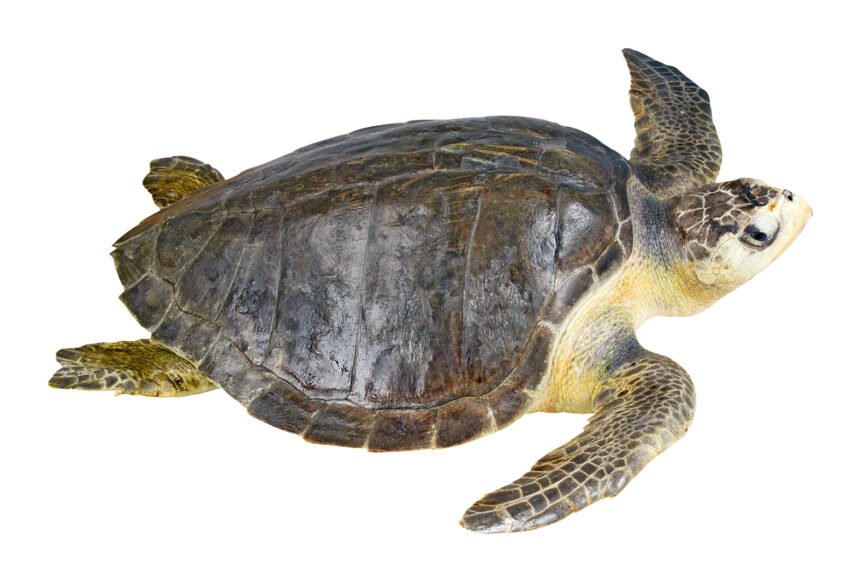
This news highlights conservation concerns related to Olive Ridley sea turtles during their nesting period along the Andhra Pradesh coast, particularly near Vishakhapatnam. As the nesting period begins, carcasses of three adult Olive Ridley turtles were found on beaches such as Muthyalammapalem, Thantadi, Rajnapalem( near Vishakhapatnam). now, this is the alarming concern for the wildlife experts and conservationists.
Background: Olive Ridley
- Olive Ridley sea turtle ( Lepidochelys Olivacea) are marine reptiles known for mass nesting event called “arribadas“
- India’s east coast, especially Odisha and Andhra Pradesh, is a critical nesting habitat.
- They prefer Sandy beaches and usually nest between December and April.
Conservation status
They are listed as ” vulnerable” by the International Union for Conservation of Nature (IUCN) and this is protected under schedule 1 of the Wildlife (protection) act, 1972. The reason for their death is that they are air breathing reptiles and need to surface every 40-45 minutes to breathe. If they get trapped in fishing nets, then they are not able to go on surface, and this leads to death known as bycatch mortality. This usually happens during migration and nesting season, when turtle movement increases.
Importance of these turtles
Nutrient Cycling: When turtles migrate from deep oceans to beaches to lay eggs, they transport essential nutrients. Unhatched eggs and eggshells provide a rich source of nitrogen, phosphorus, and potassium for beach vegetation, which helps prevent coastal erosion.
Seagrass & Coral Health: They graze on seagrass and sponges. By keeping seagrass short, they ensure it stays healthy rather than becoming overgrown and choked with slime, which benefits other marine life like shrimp and fish.
Prey Balance: As omnivores, they eat jellyfish and various invertebrates. This prevents “jellyfish blooms” which can otherwise deplete fish stocks by eating fish larvae.
Climate Change: The sex of a turtle is determined by the temperature of the sand. Monitoring them helps scientists understand the impact of rising global temperatures. If turtle populations decline, it often signals high levels of plastic pollution or chemical runoff in the water, acting as an early warning system for humans.
Legal and Regulatory Issues
Experts have demanded strict enforcement of the: Andhra Pradesh Marine Fishing Regulation Act.
key concerns is that there is Illegal fishing within 8 km of the coastline, where mechanized fishing is restricted and turtle movement is high during nesting season and this weak enforcement directly threatens marine biodiversity. now, Olive Ridley protected under Operation Olivia.