


Introduction
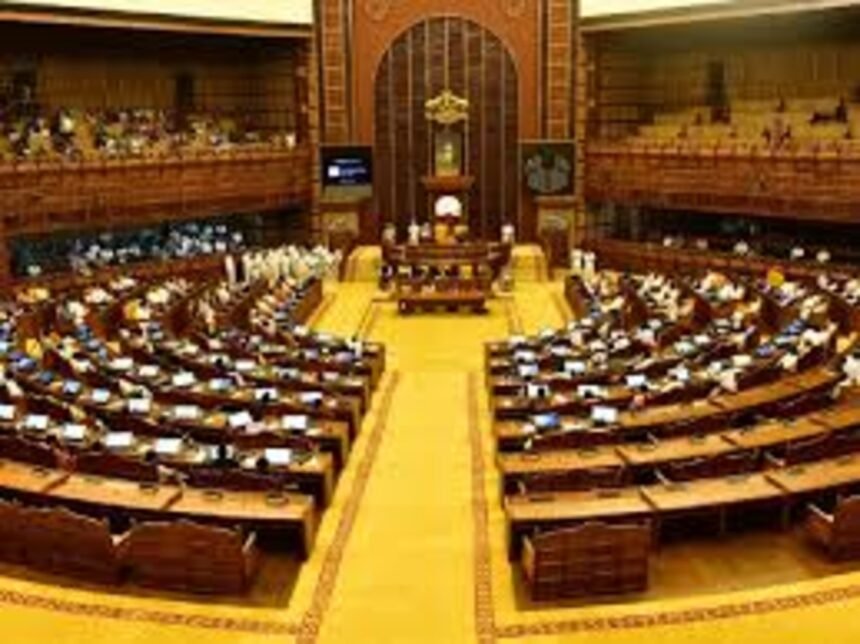
In a significant move aimed at embracing its traditional identity, the southern Indian state of Kerala, often referred to as “God’s Own Country,” is on the brink of a name change. A resolution to rename the state as ‘Keralam’ has been unanimously passed by the Kerala Assembly, with Chief Minister Pinarayi Vijayan spearheading the initiative.
The resolution, which highlights the historical and linguistic significance of the name ‘Keralam’ in the Malayalam language, was met with unanimous approval by both the ruling party and the opposition United Democratic Front alliance. The latter, led by the Congress party, refrained from suggesting any amendments, signaling a rare consensus on the matter.
Chief Minister Vijayan, while tabling the resolution, emphasized the cultural and historical reasoning behind the move. He stated, “States were formed based on language on November 1, 1956. Kerala Day is also on November 1. The need to unite Kerala for the Malayalam-speaking communities has been strongly evident since the time of the national freedom struggle.”
Need for Centre’s approval
The resolution not only seeks the Centre’s approval to amend the name under Article 3 of the Constitution but also requests that the state be recognized as ‘Keralam’ in all languages listed in the Eighth Schedule of the Constitution, which includes 22 official languages of India.
The Constitution’s First Schedule lists states and Union Territories with their respective territorial jurisdictions. Meanwhile, the Eighth Schedule encompasses the official languages spoken across the diverse nation. This renaming proposal carries a unique historical sentiment as it aims to restore the original name of the state that holds a deep-rooted connection to its linguistic and cultural heritage.
While this name change proposal enjoys broad political support within the state, the amendment process itself poses a significant hurdle. Changing the name of a state requires the approval of the Indian Parliament, rather than being a decision left solely to the state government. This constitutional requirement underscores the significance of the step Kerala has taken, as it reflects a unified effort to assert its identity.
Kerala embracing traditional names
This move towards embracing traditional names is not new to Kerala. Over the years, the state has reinstated original names for several of its towns and cities, such as Thiruvananthapuram for Trivandrum, Kochi for Cochin, Kollam for Quilon, and Thrissur for Trichur. This practice reflects a growing trend of states reviving their historical and indigenous names to reaffirm their unique cultural identities.
While Kerala awaits the Centre’s response to its resolution, the state’s initiative has sparked conversations about the significance of linguistic and cultural heritage across India. The renaming of cities and towns has previously been approved with the Ministry of Home Affairs’ consent, as witnessed in the renaming of Allahabad to Prayagraj. However, the renaming of a state involves a more complex procedure, underscoring the historical and political importance of this move by Kerala.
Conclusion
Furthermore, the proposal from the West Bengal government to rename the state as ‘Bangla’ has also caught the Centre’s attention. These deliberations highlight the evolving dynamics of India’s linguistic diversity and the role it plays in shaping its cultural narrative. As Kerala takes this bold step towards embracing its traditional name, it remains to be seen how this decision will be received on the national stage and what it signifies for the nation’s broader identity discourse.